
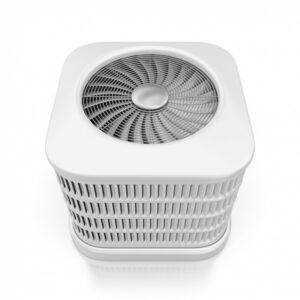
 What’s the best thing you can do for your air conditioning in Essex, VT? Schedule routine maintenance for it from our professionals! And when’s the best time to do it? Spring—right now!
We’re looking forward to the warm weather as much as you are, and we want you to get the most from the coming summer—a summer we all anticipate will be much better than last year’s. Although you can anticipate spending less time in your home than you did last summer, that doesn’t mean you can skip taking care of the AC. This is not the year to skip air conditioning maintenance. It’s as important as ever.
 No matter what you have planned when you get up, one important part of facing the day is having that morning shower. And nothing can get your day off to a worse start than to have the water in the shower go cold on you, or possibly have no hot water coming from the showerhead at all.
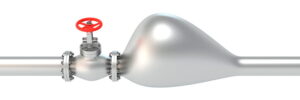 A common plumbing problem homes encounter is water pressure that’s too low. It’s hard to take a decent shower or manage to clean and cook when the water is only trickling out of faucets and showerheads. But when the water pressure is too high, that’s also a problem. You may not think of it as one, because you can control the strength of the water coming from fixtures. This increased water pressure, however, is a problem for your plumbing system and can inflict damage on it.
 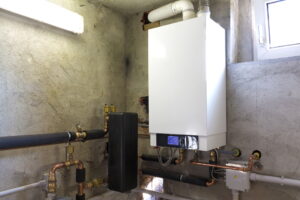 You’ve had the same boiler for many years providing your home with warmth through the winters. In fact, that boiler may have been in place for
  Once upon a time, the way gas furnaces ignited their burners was with a standing pilot light. You’re probably familiar with at least a few of these older furnace models since they have a long history. A small gas flame stays lit throughout the winter and, when natural gas flows to the burners, this flame is responsible for igniting the jets to start the heating cycle.
 You expect the central heating system in your house to run long enough to reach the temperature set on the thermostat.
  The great winter fear for plumbing:
 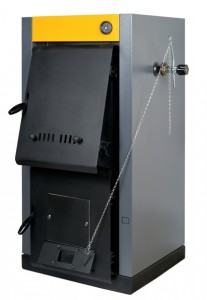 The heat a boiler sends into a house, whether from radiators, baseboard heaters, or in-floor elements, feels wonderful during cold winter days. But what if one morning you wake up to discover that the house isn’t warming up as well as it should? You check the thermostat to make sure the settings are right, and then you might try raising the thermostat setting to make up the difference. But you shouldn’t have to do this: the boiler is supposed to meet the standard household demand for comfort, and pushing up the thermostat to attempt to compensate may lead to more trouble.


