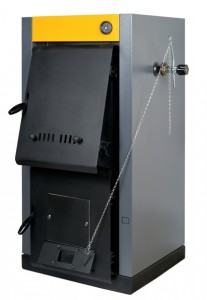
 The heat a boiler sends into a house, whether from radiators, baseboard heaters, or in-floor elements, feels wonderful during cold winter days. But what if one morning you wake up to discover that the house isn’t warming up as well as it should? You check the thermostat to make sure the settings are right, and then you might try raising the thermostat setting to make up the difference. But you shouldn’t have to do this: the boiler is supposed to meet the standard household demand for comfort, and pushing up the thermostat to attempt to compensate may lead to more trouble.
What’s wrong? Do you need to call for heater repair in Essex, VT to fix the boiler? Or is it time for a new boiler? We’ll look into the possibilities below.
 We want to be clear about this from the start:
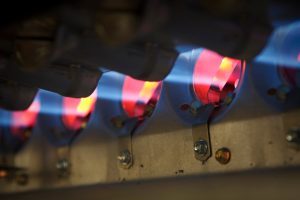
  When a furnace first turns on for the winter season, it emits a burning odor into the air from the vents. This is normal. It’s odor of the dust along the heat exchanger or heating elements burning off as the unit heats up. The smell will subside after a short time and the furnace will get into the regular groove of warming the house.
 What sort of home appliance do you think is most likely to corrode? You’ll probably think of the water heater, or shower heads and other water-using fixtures. You probably don’t think about your gas furnace rusting. It doesn’t use water to warm your house, after all. It applies heat to the air through a metal heat exchanger that contains hot combustion gas.
 If the heating system in your home is still working the way it should during the last few cold days of spring, you can probably shut it down for the summer without much worry. As long as you remember to schedule maintenance for it in fall before the first cold settles in for the end of the year, you shouldn’t need further
 If you’re asking this question, this is probably the first winter you’ve spent with a heat pump providing comfort for your home. You made a change in spring or winter to your HVAC system and replaced it with a heat pump. This is a great choice—heat pumps are able to deliver excellent cooling in hot weather and energy efficient heating in winter. Thanks to advances in heat pump technology, heat pumps operate in cold temperatures better than ever before.
 The recent rains should serve as a strong reminder: it’s definitely fall, and we’re on the road to winter. Air conditioners will soon turn off for the rest of the year and furnaces and boilers will fire up (or heat pumps switch over to heating mode).
 The middle of the winter is the point when you may have concerns about the performance of your home’s furnace. It’s wise to be on the lookout for potential problems. It’s not only the coldest time of the year, but the furnace has done a half season of work and has another half ahead of it.
 A boiler is a great way to provide warmth during a stormy and cold winter—and we’re in the middle of one of those right now! The heat coming from radiators and baseboard heaters is cozy and spreads evenly through a room, without having to blow around any dust from ductwork. A boiler also has a great advantage over a furnace, which is that it usually needs fewer repairs over its lifetime. A boiler contains fewer moving mechanical parts that can break down. As long as you remember to schedule heating maintenance for your boiler each year (


