A central air conditioning system has two fans: one located in the outdoor condenser cabinet, and the other in the HVAC cabinet inside the house. These two fans are essential for the air conditioner to do its job. Obviously, an air conditioner that cannot send air out through the vents isn’t going to be much good to you! And if the outdoor fan fails, the air conditioner won’t be able to effectively move heat from the indoor air to release it outside.
When one of your air conditioner’s fans (or possibly both) stops working, you’ll want to have the problem remedied as soon as possible—because your house will soon start to overheat in the summer weather. Our technicians are ready to come to your assistance, and usually, they can solve the problem fast.
We’re going to take a closer look at why an air conditioner’s fans may fail. This way you’ll have a better understanding of the work we need to do.
Continue Reading
Tags: Air Conditioner Repair, Burlington
Posted in Air Conditioning | Comments Off on Why Is the AC Fan Not Working?

 This is a question we often hear, because it’s almost conventional wisdom that a gas furnace makes the air inside a home drier during winter. But conventional wisdom isn’t always correct, and false information spreads fast today.
  When a drain clogs up or becomes so slow it might as well be clogged, it’s an annoyance. Sometimes a plunger can fix it, other times you need to summon one of our plumbers. Although regular drain cleaning and maintenance for your plumbing can reduce the number of clogged drains you face, there’s no way to prevent all of them.
 Fall is almost here—it may already be here by the time you read this—and people will start looking forward to their end of the year plans. But this is also a time to reflect on the summer, and in our case, that means reflecting on
  A heatwave may sound cool in song titles, but it’s the exact opposite of cool when it strikes where you live. When the heat arrives, you’re going to rely on your air conditioning a great deal, and the last thing you want is to call for
 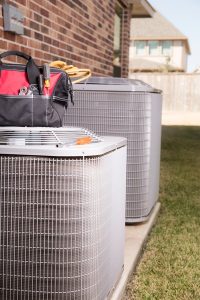 The line set is an essential part of any split system air conditioner. A split system AC is probably the type you have: it’s the standard air conditioner set-up of an outdoor condenser cabinet where heat is released and an indoor unit and blower to remove heat from the air and then send it into the ductwork. The line set is the vital part the connects the indoor and outdoor components. It’s a double set of copper refrigerant lines that carry the circulating refrigerant to and from the units. The line set is sometimes exposed and sometimes hidden in the ground.
 When you read our posts about regular air conditioning system maintenance, you’ll notice we often mention spring as the best time to have it done. Which it is. Spring maintenance preps the air conditioner right before the time when it does the most work, and it also lets you schedule a convenient time for the service when you won’t have to rely on the cooling system.
 This summer you don’t want to face a broken air conditioning system and a scramble to get emergency help out to fix it. We are happy to provide you with emergency
  Spring arrived a few days earlier on the calendar this year. But that’s only the “official” first day of spring, a point in the Earth’s journey around the Sun. Our local weather doesn’t obey the calendar, and the cold weather blows through here sometimes until May. But spring is still the season of air conditioning tune-ups and inspections, no matter what the weather is like. Without fail, the summer heat will arrive, and you’ll want your air conditioning system in peak shape to handle it.
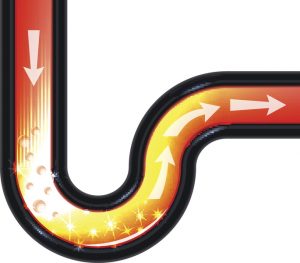 If the “drain snake” you’re thinking of when you ask this question is a hand-cranked drain auger purchased from a store, then it might be enough to take care of a clog in a sink or shower drain. It isn’t a total solution, however, and in many cases it provides only a brief fix and will leave you with a clogged up drain only a few weeks later—or less.


