 If you have a furnace in your house that’s more than 15 or even 20 years old, any replacement system will have a higher energy efficiency rating. This because standard for gas furnaces have changed dramatically over two decades, and even the new mid-efficiency models have a higher standard than the mid-efficiency models at the start of the 21st century.
If you upgrade to a new furnace at the end of this year’s heating season, you can expect energy-saving performance. And if you want a major efficiency upgrade, one of the best options is a condensing furnace. These furnaces score some of the highest AFUE ratings (efficiency ratings) of any heating system on the market, with as little waste as 2%.
 The winter weather isn’t done with us, but the second half of the season is a good time to consider how well your home’s furnace has held up. This may be the last winter it can perform up to expectations. Or it may already have fallen behind this season. If you’ve spent more on
 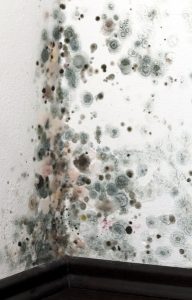 You don’t want mold anywhere in your house. Mold looks awful, creates terrible odors, destroys building material like drywall, and can release toxic spores. (Black mold, the most common type of mold due to water damage, is the most dangerous.) Unfortunately, a number of common plumbing issues can lead to mold. The faster you call for
  What sort of home appliance do you think is most likely to corrode? You’ll probably think of the water heater, or shower heads and other water-using fixtures. You probably don’t think about your gas furnace rusting. It doesn’t use water to warm your house, after all. It applies heat to the air through a metal heat exchanger that contains hot combustion gas.
 When heating season starts (a.k.a. “winter”), your home’s furnace will get down to steady work. That means you’ll have the semi-regular job of keeping an eye on it. This isn’t an intense job, only a reminder to keep your senses open to any of the signs the furnace is in trouble—and to remember to change the furnace filter on a regular schedule.
 Do you know what the busiest day of year is for professional plumbers? The day after Thanksgiving. The toughest shopping day of the year is also when many homeowners discover they’ve got a plumbing nightmare. This makes sense: the house is packed with guests—more than a home experiences during the December holidays, most likely—and the kitchen plumbing, especially the sink and garbage disposal, are under assault from food preparation. Most parts of the plumbing get used to their fullest, increasing the chances that something will go wrong.
 How do you keep your home toasty during the cold winters in Vermont and New York? The majority of homes use natural gas furnaces, but there are many that rely on boilers, electric furnaces, in-floor radiant systems, heat pumps, and dual fuel systems. Our heating technicians work with all these types of
  A kitchen garbage disposal isn’t meant to last forever, although people often treat the ones in their homes as if they were immortal. We’ve written before about
  Fall has officially arrived and this is an important time of the year if you’re a
 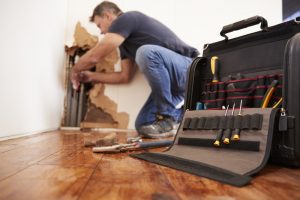 First, we want to stress that all “do-it-yourself” attempts to fix or install residential plumbing are bad. It’s simply unwise to try this type of work unless you have the proper tools and training. But there are times when DIY jobs go past bad and become serious problems. Ask any professional plumber, and you’ll often hear the same story: the majority of repairs they make are due to amateur plumbing errors.


