
It’s a quiet day in your home, and you’re washing your hands at the kitchen sink. You turn off the tap, and suddenly a loud and surprising bang! sound leaps out from the walls. A sound like a hammer striking against metal.
What was that?
It’s a plumbing phenomenon called water hammer—for reasons you can probably already figure out. This is a common problem in residential plumbing and one that will often take a Burlington, VT plumber to fix. First, let’s take a look at what water hammer is, why it’s a problem, and why it might occur in your plumbing. Once you have that information, we can tell you how we can help resolve the problem.
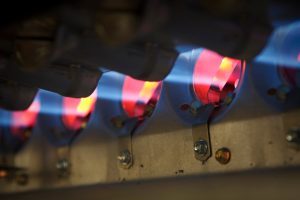 This is a question we often hear, because it’s almost conventional wisdom that a gas furnace makes the air inside a home drier during winter. But conventional wisdom isn’t always correct, and false information spreads fast today.
 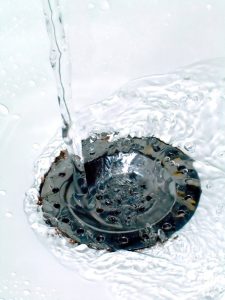 When a drain clogs up or becomes so slow it might as well be clogged, it’s an annoyance. Sometimes a plunger can fix it, other times you need to summon one of our plumbers. Although regular drain cleaning and maintenance for your plumbing can reduce the number of clogged drains you face, there’s no way to prevent all of them.
 If we had to select the best month for scheduling
  Fall is almost here—it may already be here by the time you read this—and people will start looking forward to their end of the year plans. But this is also a time to reflect on the summer, and in our case, that means reflecting on
 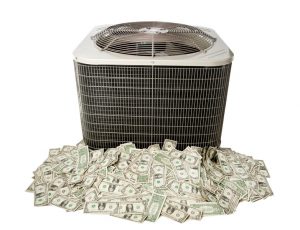 At the end of the summer is when you’re most likely to notice your air conditioning system is wasting money. The bills for the summer have accumulated, and you may see a difference in how much you’re paying—an unpleasant difference.
 A heatwave may sound cool in song titles, but it’s the exact opposite of cool when it strikes where you live. When the heat arrives, you’re going to rely on your air conditioning a great deal, and the last thing you want is to call for
 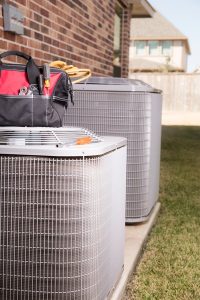 The line set is an essential part of any split system air conditioner. A split system AC is probably the type you have: it’s the standard air conditioner set-up of an outdoor condenser cabinet where heat is released and an indoor unit and blower to remove heat from the air and then send it into the ductwork. The line set is the vital part the connects the indoor and outdoor components. It’s a double set of copper refrigerant lines that carry the circulating refrigerant to and from the units. The line set is sometimes exposed and sometimes hidden in the ground.
 When your air conditioning system won’t turn on, you know it means trouble. After all, you’ll feel the effects right away and want something done about it. But what about the reverse problem, an air conditioning system that won’t stop running? You may enjoy the cool house for a bit, but when the AC won’t power down, you’ll not only have a house that’s too cold, you’ll also waste enormous amounts of money and have an air conditioner that’s wearing down so fast that it will need replacement years too early.


