 If the heating system in your home is still working the way it should during the last few cold days of spring, you can probably shut it down for the summer without much worry. As long as you remember to schedule maintenance for it in fall before the first cold settles in for the end of the year, you shouldn’t need further heater service in Burlington, VT for a good long strength.
However, if you’ve noticed anything wrong with the heater at the time of year, please take steps to have the system inspected and, if necessary, repaired. You might believe that heating malfunctions in spring aren’t a big deal since the heater is about to shut down for the season. But the truth is that a heater should never be allowed to run or be left it sit for a long stretch of time if it needs a repair.
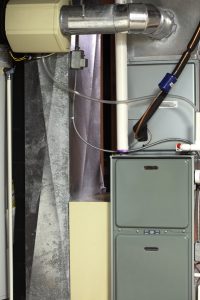 You probably know that the furnace in your house won’t last forever. Any type of machine that does as much work as a furnace during Vermont and New York winters will wear down to the point where it needs to be replaced.
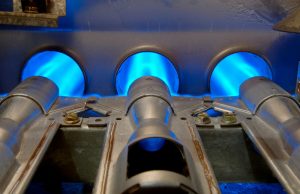 Furnaces are found in more homes than any other type of central heating system. Ironically, they’re also not well understood by the average homeowner, and that’s probably because they are so common; they’re easy to take for granted.
 Leaks of any kind in your home are a problem, and most will need to be addressed with the help of skilled plumbers. The most troublesome leaks are the sort that escape notice because they’re coming from pipes hidden in walls, floors, or in the foundation. If there’s a leak you can see, you can move fast to have it repaired. For example, water on the bathroom floor that shouldn’t be there? You’ll probably need a plumber.
 Cooking grease, as well as fats and oils left over from cooking, should never go down the kitchen drains. Ever, if you can possibly help it! It’s unavoidable for some grease to go down the drains when you’re cleaning up, but if you have grease in a pan or skillet after you’ve finished cooking, don’t tip it over and send it down the kitchen drain.
 This is a flip-side one, a Bizzaro World problem that’s more common than you may think. In fact, you’re probably reading this because it’s happening to you—you’ve turned on the shower, but the water is too hot and you can’t get it to cool down. This can actually be worse than having no hot water in the shower, because nothing-but-hot-water may mean the water is at dangerous scalding temperatures. Cold water at least won’t damage your skin.
  If you’re asking this question, this is probably the first winter you’ve spent with a heat pump providing comfort for your home. You made a change in spring or winter to your HVAC system and replaced it with a heat pump. This is a great choice—heat pumps are able to deliver excellent cooling in hot weather and energy efficient heating in winter. Thanks to advances in heat pump technology, heat pumps operate in cold temperatures better than ever before.
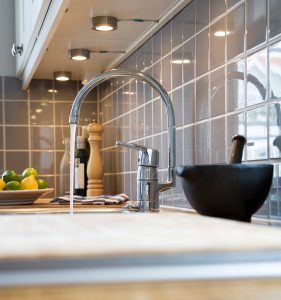 You never want bad odors wafting through your house, but especially not during times when you have guests staying over. And one common source of unpleasant odors in your house is the garbage disposal. Although you should never be placing actual garbage down the garbage disposal (and every plumber wishes these devices had different, less misleading names), you can still end up with a disposal giving off a “garbage” smell.
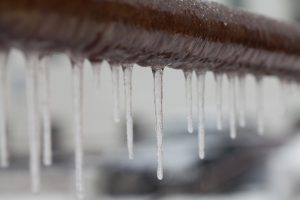 You might love the winter season, but your plumbing isn’t as happy about it. One of the biggest threats to your plumbing arrives along with the cold weather and snow: freezing pipes. When pipes freeze solid, it not only blocks water flow, it threatens the pipes with bursting.


