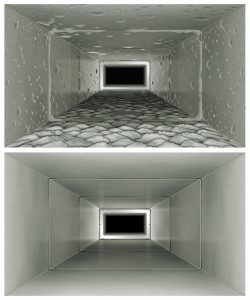
 You may have heard about duct cleaning services and wondered if this is something you should invest in. If you’re hesitant, it may be because you’ve heard stories about air duct cleaning scams that don’t offer a service that’s worthwhile. Unfortunately, it’s true there are many disreputable companies who claim to provide duct cleaning services at cut-rate prices—and then deliver a “cleaning” that’s hardly better than nothing at all. Cut-rate indeed! These unreliable companies make money by scheduling numerous appointments in a day and only pretend to do any cleaning. It’s how they can charge those low rates.
However, real air duct cleaning from a reputable HVAC contractor is definitely a worthwhile investment. You don’t need to have this service done every year, but if it’s been a few years since you last had duct cleaning—or you’ve never had it done—we recommend calling us for duct cleaning in Burlington, VT. We have more than two decades of history of quality service and customer satisfaction.
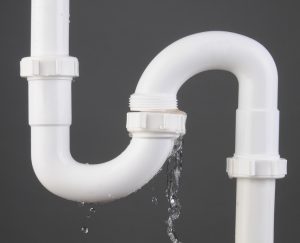 We wish we could just say “There is no such thing as a small leak in plumbing” to answer this question and end it there. Well, end it there along with the recommendation that you call us as soon as possible. Whatever the size of the leak you’ve got in your home’s pipes, if you know you have one you need a
 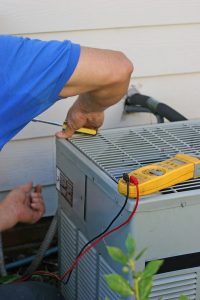 The winter weather certainly hung around for a long time, didn’t it? Nobody likes to deal with snow that far into the year, but we’re finally hitting the warm weather stride here in June. If you haven’t arranged for a visit from one of our HVAC experts to give your air conditioner a pre-season tune-up and inspection, it’s definitely not too late! The hottest weather is ahead of us, and as long as you’ve got your AC in good condition with routine maintenance before it starts to put in the heavy work, you should be in great shape for the season.
  Corrosion is one of the great enemies of the pipes in a plumbing system. It is the main cause of leaks in residential plumbing, since it weakens pipe metal to the point where leaks will start up in multiple places. Eventually, the corrosion will destroy the pipe entirely.
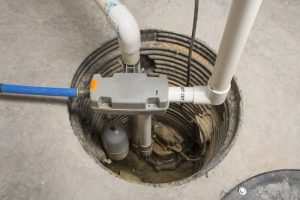 Do you have a sump pump installed in your home’s basement? We recommend most homes in the area have one, since it’s the best plan to prevent damage from flooding due to weather or a burst pipe. A sump pump activates automatically to remove the excess water from the lowest part of a house and transport it out to the wastewater system, a well, or an outside drainage ditch leading to the storm drains.
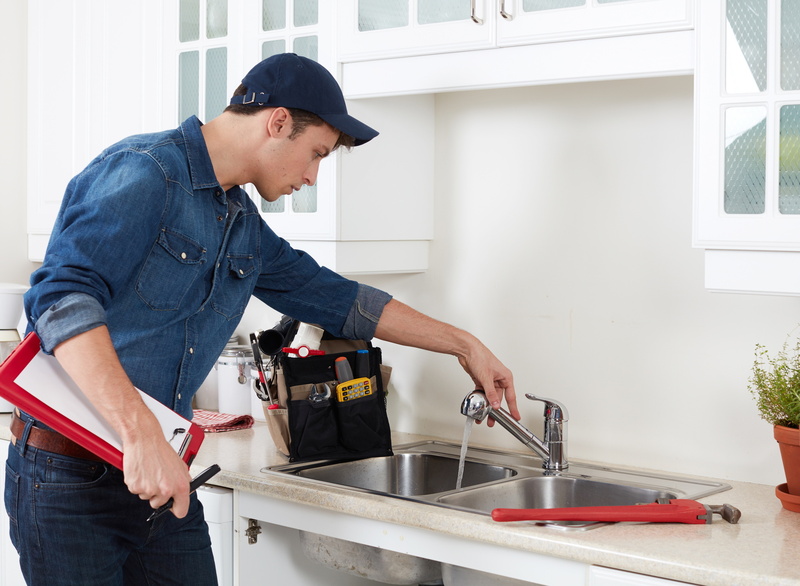 You’ve got trouble with the plumbing in your kitchen. It’s going to happen—there’s a lot of piping and appliances in this space, and it gets an enormous amount of work. But what do you do when you have a kitchen plumbing problem? Your first answer may be, “Get out the toolbox and that belt of special wrenches.” This is fine if you’re dealing with something like adjusting a loose washer in a leaky faucet. But for anything else, such as fixing a leaking drainpipe to removing a broken garbage disposal, we recommend you always call on a plumber. Not an amateur or “handyman.” No, a licensed professional plumber.
  The weather is still cool-to-cold here, and who knows what sudden shifts may occur through the rest of April and even in to May? You are probably still running your furnace during the evenings and sometimes the days as well. If you think your furnace is showing signs that something is wrong, like a loss of heating power or strange sounds from the cabinets, make sure you call a professional to repair the system right away.
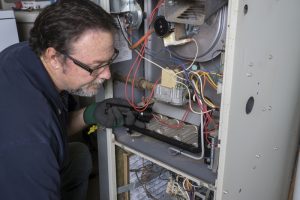 “Spring hasn’t even arrived yet, and yet I should be thinking about replacing my furnace?”
 Are you getting tired of the winter weather, and even looking at the calendar to see how many days until spring puts you in a deep funk? We understand. Cabin fever can be a serious problem during our cold winters.


