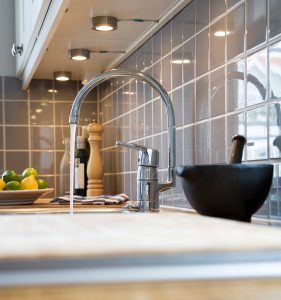
 You never want bad odors wafting through your house, but especially not during times when you have guests staying over. And one common source of unpleasant odors in your house is the garbage disposal. Although you should never be placing actual garbage down the garbage disposal (and every plumber wishes these devices had different, less misleading names), you can still end up with a disposal giving off a “garbage” smell.
We’re going to look into some of the reasons why you may have bad odors coming from the garbage disposal, as well as what you can do to prevent this from happening.
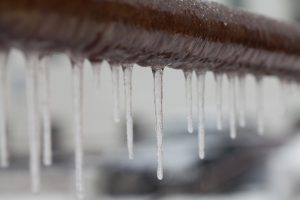 You might love the winter season, but your plumbing isn’t as happy about it. One of the biggest threats to your plumbing arrives along with the cold weather and snow: freezing pipes. When pipes freeze solid, it not only blocks water flow, it threatens the pipes with bursting.
 The end of the year is when you’ll probably entertain more houseguests than any other time. You want the inside of your home to be a welcoming place, clean and tidy. You absolutely don’t want strange, foul odors of sewage wafting through the rooms!
 The cold is the biggest obstacle for comfort during winter—that’s why you have a powerful central heating system in your home. (If you don’t, call us right away and we’ll arrange to have one installed before the winter weather arrives.) But homeowners often ignore, or aren’t aware of, another winter comfort obstacle: dry conditions. Relative humidity during the winter often plunges below 30% because of all the moisture frozen from the air. When the air is this dry, it makes it harder to stay warm, even with a great heating system at work. And this isn’t the only problem dry air can inflict on you and your household during winter.
  Wow, the end of the year is moving up fast! Of course, it seems like it does this every year. If you’ve found the winter has surprised you more than once by striking before you can get your heating system ready, then we recommend you find a
 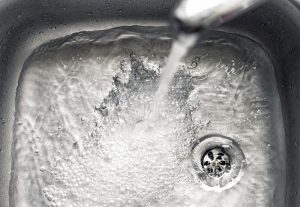 We’re sorry to bring you the bad news, but drain clogs are problems that will affect homes at some point. There is no way to prevent every single possible source of clogs. For example, you may end up with clogged drains because of sewer line issues coming from the municipal system. There’s nothing you can do to stop that ahead of time! And sometimes accidents occur and an object gets tipped over into a drain, leading to stoppage.
 The recent rains should serve as a strong reminder: it’s definitely fall, and we’re on the road to winter. Air conditioners will soon turn off for the rest of the year and furnaces and boilers will fire up (or heat pumps switch over to heating mode).
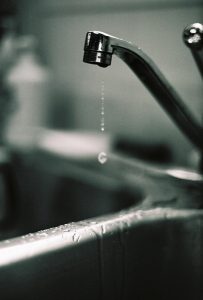 You turn on a faucet—and no water comes out. You run over to another faucet, or to the shower, and find no water their either. This certainly sounds like an emergency, especially if it’s morning and you depend on running water to get the basic parts of the early-day routine done.
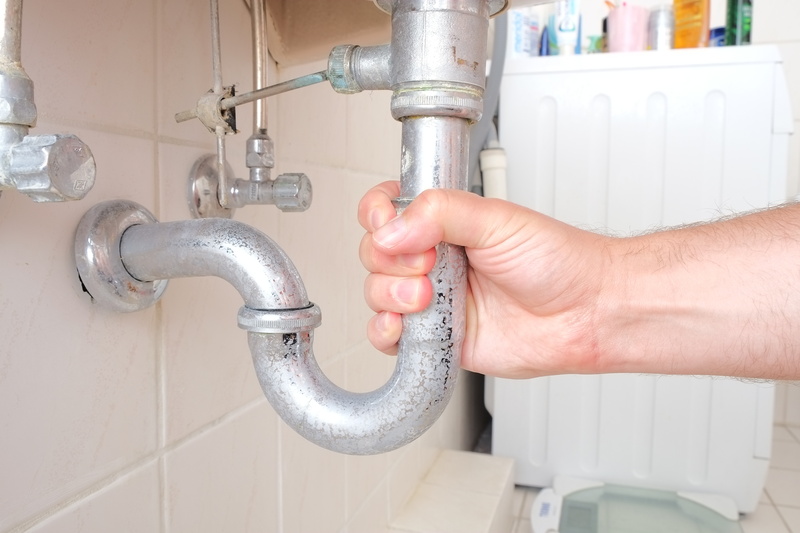 When we talk about the importance of hiring professionals to inspect your pipes, we emphasize that most of the plumbing in your house is hidden from sight. The freshwater pipes and drainpipes around your home are behind walls and cabinets, placed in the floors and ceilings, and in the case of the sewer line and water main, buried under the property.
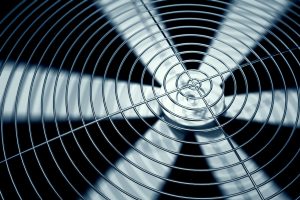 “Short-cycling? What’s that?” We know it sounds like a strange circus act or a short-distance bicycling competition. But it’s a term for faulty behavior from a cooling system. If you hear your home’s AC starting and stopping multiple times over an hour, that’s short-cycling. This isn’t something you want to happen, since it spells trouble for your


