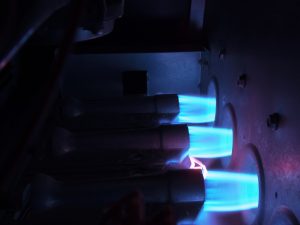
 The winter weather isn’t done with us, but the second half of the season is a good time to consider how well your home’s furnace has held up. This may be the last winter it can perform up to expectations. Or it may already have fallen behind this season. If you’ve spent more on furnace repair in Burlington, VT than you think you should, getting a new furnace during the spring lull might be on your mind.
It’s wise to start making plans, and even wiser to learn how to recognize when a furnace is nearing the end of its service life. Let’s hunker down and get a clear-eyed assessment of your furnace situation.
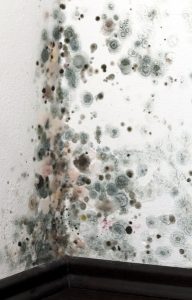 You don’t want mold anywhere in your house. Mold looks awful, creates terrible odors, destroys building material like drywall, and can release toxic spores. (Black mold, the most common type of mold due to water damage, is the most dangerous.) Unfortunately, a number of common plumbing issues can lead to mold. The faster you call for
  When a furnace first turns on for the winter season, it emits a burning odor into the air from the vents. This is normal. It’s odor of the dust along the heat exchanger or heating elements burning off as the unit heats up. The smell will subside after a short time and the furnace will get into the regular groove of warming the house.
 Maybe you aren’t into making New Year’s Resolutions. We understand—sometimes putting up a big plan for the year seems daunting and makes you afraid of failure. But there are smaller resolutions you can make that aren’t so much vows for personal betterment as they are simply planning. For example, planning to have better
  Dual fuel systems are heating systems that use two different energy sources for heating: electricity and natural gas (or, in a home with no access to natural gas, propane). The standard operation for a dual fuel system is a combination of an electrical heat pump with a gas furnace as a back-up. The electrical power of the heat pump provides warmth for a home in temperatures of 40°F or higher, and the gas-powered furnace takes over when the temperature drops lower.
 What sort of home appliance do you think is most likely to corrode? You’ll probably think of the water heater, or shower heads and other water-using fixtures. You probably don’t think about your gas furnace rusting. It doesn’t use water to warm your house, after all. It applies heat to the air through a metal heat exchanger that contains hot combustion gas.
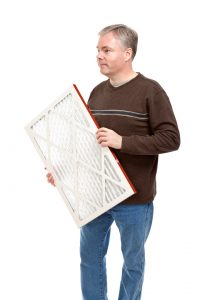 When heating season starts (a.k.a. “winter”), your home’s furnace will get down to steady work. That means you’ll have the semi-regular job of keeping an eye on it. This isn’t an intense job, only a reminder to keep your senses open to any of the signs the furnace is in trouble—and to remember to change the furnace filter on a regular schedule.
 Do you know what the busiest day of year is for professional plumbers? The day after Thanksgiving. The toughest shopping day of the year is also when many homeowners discover they’ve got a plumbing nightmare. This makes sense: the house is packed with guests—more than a home experiences during the December holidays, most likely—and the kitchen plumbing, especially the sink and garbage disposal, are under assault from food preparation. Most parts of the plumbing get used to their fullest, increasing the chances that something will go wrong.
 How do you keep your home toasty during the cold winters in Vermont and New York? The majority of homes use natural gas furnaces, but there are many that rely on boilers, electric furnaces, in-floor radiant systems, heat pumps, and dual fuel systems. Our heating technicians work with all these types of
  A kitchen garbage disposal isn’t meant to last forever, although people often treat the ones in their homes as if they were immortal. We’ve written before about


