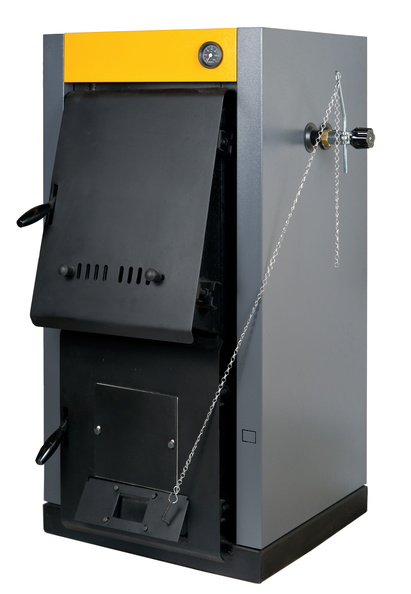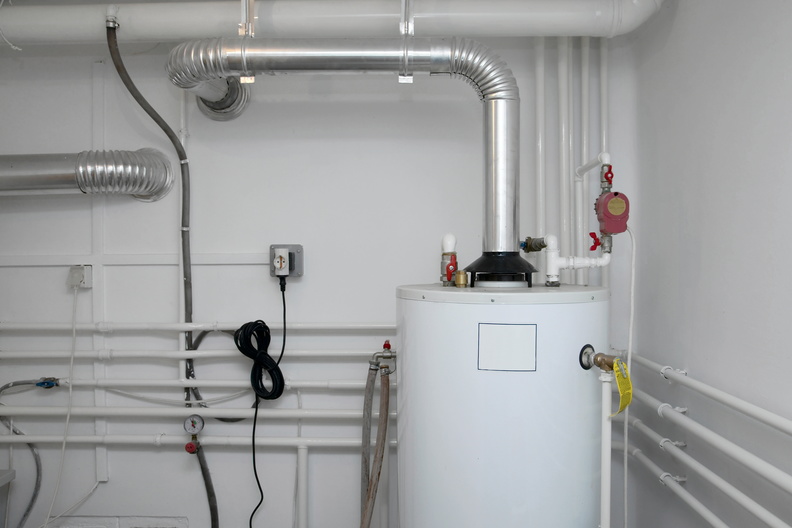
 A boiler is a great way to provide warmth during a stormy and cold winter—and we’re in the middle of one of those right now! The heat coming from radiators and baseboard heaters is cozy and spreads evenly through a room, without having to blow around any dust from ductwork. A boiler also has a great advantage over a furnace, which is that it usually needs fewer repairs over its lifetime. A boiler contains fewer moving mechanical parts that can break down. As long as you remember to schedule heating maintenance for your boiler each year (do it now if you haven’t!) you should have reliable comfort through the season.
There’s no guarantee, of course, that your boiler will work without any troubles. Let’s look at some possible problems your boiler might encounter. Call for boiler heating professionals to check out the issue before it worsens and you end up with no heat at all!
 There’s a good reason natural gas furnaces are common for
 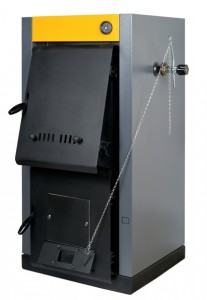 Furnaces have a long history as residential heating systems. After all, the first fireplaces were basically the original furnaces, and ever since people started to construct pipes connected to stoves to distribute heat to other parts of a building, furnaces have been the most common kind of central heating system.
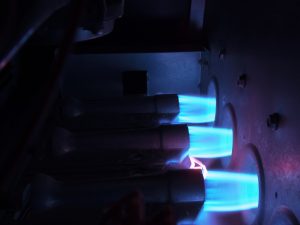 When you’re making your winter plans, both in the short-term and the long-term, you probably make most of them around being in locations where you can receive warmth. In your house, that means a
 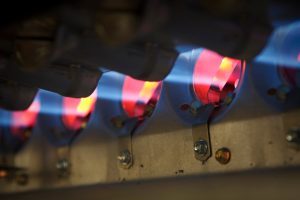 This is a question people often ask about furnace performance. During the winter, the moisture level in the air drops as more water vapor becomes pulled out of the air as snow. Dry conditions may be helpful during the summer, when it makes it easier for the human body to cool down in the heat. Bu dry air during the rest of the year presents comfort and health problems. Furnaces are often blamed from causing the air to become even drier. Is there any truth to the idea that a furnace “dries out” a home’s air?
 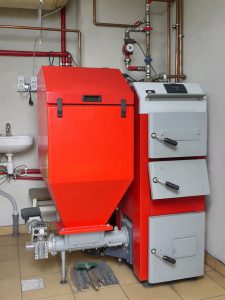 We aren’t quite at the true heating season yet—the time of the year when home heaters turn on to provide warmth. Temperatures are still hovering in the cool-to-warm region. But it’s October, which means fall is here and just over the ridge is winter. If you use a boiler system to heat up your house in winter, you want to ensure that it’s in the best shape possible before the cold weather hits. You can do this by arranging for a heating tune-up and inspection through one of our
 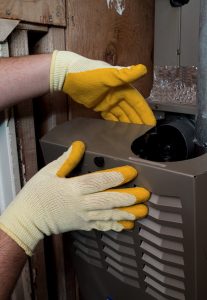 We say goodbye (officially) to summer this week and prepare to greet fall. The change in the weather won’t happen as suddenly as the change in day on the calendar, but fall always means it’s time to prepare your home for cooler temperatures. Winter isn’t that far off … and actual winter weather is probably closer! Step #1 to get ready for the cooler temperatures is to have your home heating system professionally maintained.