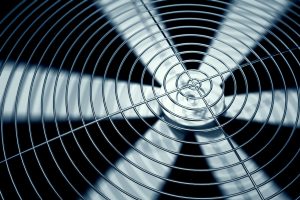
A central air conditioning system has two fans: one located in the outdoor condenser cabinet, and the other in the HVAC cabinet inside the house. These two fans are essential for the air conditioner to do its job. Obviously, an air conditioner that cannot send air out through the vents isn’t going to be much good to you! And if the outdoor fan fails, the air conditioner won’t be able to effectively move heat from the indoor air to release it outside.
When one of your air conditioner’s fans (or possibly both) stops working, you’ll want to have the problem remedied as soon as possible—because your house will soon start to overheat in the summer weather. Our technicians are ready to come to your assistance, and usually, they can solve the problem fast.
We’re going to take a closer look at why an air conditioner’s fans may fail. This way you’ll have a better understanding of the work we need to do.
 The compressor is the most critical part of your central air conditioning system. All parts of an AC are important for it to operate, but the reason we say the compressor is the most critical is because when it fails, not only does the AC lose its ability to cool, it also usually means the air conditioner must be replaced with a new condenser and indoor evaporator coil.
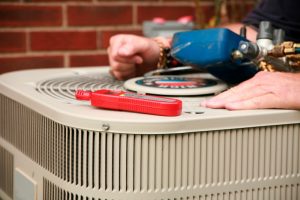 This summer you don’t want to face a broken air conditioning system and a scramble to get emergency help out to fix it. We are happy to provide you with emergency
  There are times when you have a plumbing problem so urgent that you don’t have a choice except to call an
 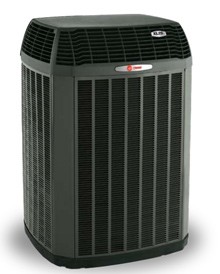 This is a question we sometimes hear from customers who are looking to lower household costs. It makes sense for people to inquire about purchasing used AC equipment since so many other expenses for a home can be reduced by buying used. A car for example. Or furnishings. So why not buy a “previously owned” air conditioner, especially at times when people are looking closer at their budgets?
 Spring arrived a few days earlier on the calendar this year. But that’s only the “official” first day of spring, a point in the Earth’s journey around the Sun. Our local weather doesn’t obey the calendar, and the cold weather blows through here sometimes until May. But spring is still the season of air conditioning tune-ups and inspections, no matter what the weather is like. Without fail, the summer heat will arrive, and you’ll want your air conditioning system in peak shape to handle it.
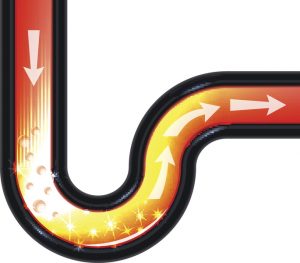 If the “drain snake” you’re thinking of when you ask this question is a hand-cranked drain auger purchased from a store, then it might be enough to take care of a clog in a sink or shower drain. It isn’t a total solution, however, and in many cases it provides only a brief fix and will leave you with a clogged up drain only a few weeks later—or less.
 If you have a furnace in your house that’s more than 15 or even 20 years old, any replacement system will have a higher energy efficiency rating. This because standard for gas furnaces have changed dramatically over two decades, and even the new mid-efficiency models have a higher standard than the mid-efficiency models at the start of the 21st century.
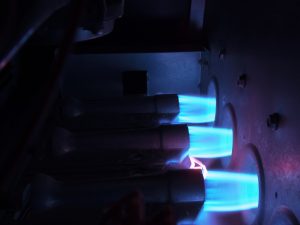 The winter weather isn’t done with us, but the second half of the season is a good time to consider how well your home’s furnace has held up. This may be the last winter it can perform up to expectations. Or it may already have fallen behind this season. If you’ve spent more on
  You don’t want mold anywhere in your house. Mold looks awful, creates terrible odors, destroys building material like drywall, and can release toxic spores. (Black mold, the most common type of mold due to water damage, is the most dangerous.) Unfortunately, a number of common plumbing issues can lead to mold. The faster you call for


